


14676 Delaware St #400
Westminster, CO 80023

Why Are My Eyes So Dry and Red? Common Causes, Symptoms, and Treatment Options
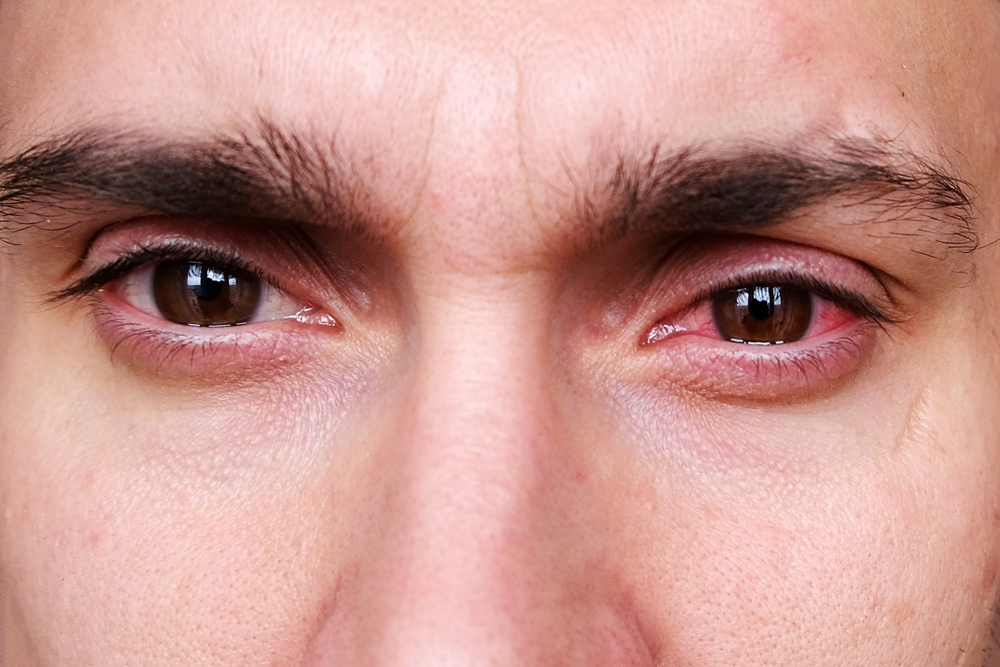
Dry, red eyes can make everyday activities uncomfortable, whether you're working at a computer, wearing contact lenses, or spending time outdoors. While occasional irritation is common, persistent dryness and redness may indicate an underlying eye condition that needs attention. At 20/20 EyeVenue, we help patients identify the causes of their symptoms and find appropriate ways to improve their eye comfort.
What Causes Dry and Red Eyes?
Dry eyes develop when your eyes do not produce enough tears or when tears evaporate too quickly. Without a stable tear film, the eye's surface can become irritated, leading to redness, burning, and discomfort.
Several factors can contribute to dry, red eyes, including:
• Environmental Conditions: Colorado's dry climate, wind, indoor heating, and air conditioning can increase tear evaporation.
• Excessive Screen Time: Extended computer or phone use can reduce blinking frequency, making it harder to maintain a healthy tear film.
• Contact Lens Wear: Wearing contact lenses for extended periods or using poorly fitting lenses may contribute to dryness and irritation.
• Allergies: Seasonal allergies and environmental irritants can cause redness, itching, and watery eyes.
• Underlying Health Factors: Certain medications, hormonal changes, and eyelid inflammation can affect tear production and quality.
Understanding what triggers your symptoms is an important step toward finding effective dry eye relief.
Common Symptoms of Dry Eye Syndrome
Dry eye symptoms vary from person to person. Some experience occasional irritation, while others develop persistent discomfort that interferes with daily activities. Common signs include burning, stinging, redness, blurry or fluctuating vision, sensitivity to light, and a gritty sensation. Excessive tearing can also occur when irritated eyes produce reflex tears that do not adequately lubricate the surface.
If you frequently experience these symptoms in Westminster, a comprehensive eye examination can help determine whether dry eye syndrome or another condition is responsible.
What Are the Treatment Options for Dry and Red Eyes?
Dry eye treatment depends on the underlying cause and severity of your symptoms. At 20/20 EyeVenue, we focus on identifying contributing factors and recommending appropriate care for your individual needs.
For mild dryness, treatment may involve lubricating eye drops, adjustments to daily habits, or changes to your environment. Taking regular screen breaks, avoiding direct airflow, and maintaining proper contact lens hygiene may also help reduce irritation.
For persistent symptoms, additional treatment may be recommended to improve tear film stability, address eyelid inflammation, or manage underlying conditions contributing to dryness. Because redness can have causes other than dry eye, an accurate diagnosis is essential before beginning treatment.
When Should You See an Eye Doctor for Dry, Red Eyes?
If your eyes remain dry and red despite basic care, or symptoms repeatedly return, scheduling an eye examination is recommended. Persistent irritation can affect your comfort and vision and may require more targeted treatment. Seek urgent eye care for significant pain, pronounced light sensitivity, or worsening redness, especially if you wear contact lenses. Sudden vision loss requires immediate medical attention.
If dryness and redness are interfering with your daily comfort, schedule an eye exam at 20/20 EyeVenue to learn more about personalized treatment options. Contact our offices in Westminster or Strasburg, Colorado, by calling (720) 740-0400 to book an appointment today.

Strasburg Location
- Monday (Open 2 Mondays per month, call for dates)8:00am - 4:00pm
- Tuesday 8:00am - 4:00pm
- Wednesday 8:00am - 6:00pm
- Thursday 8:00am - 4:00pm
- Friday 8:00am - 4:00pm
- Saturday/Sunday Closed
© 2026 20/20 EyeVenue. All Rights Reserved | Accessibility Statement | Privacy Policy | Terms & Conditions | Sitemap
Powered by
