


14676 Delaware St #400
Westminster, CO 80023

The Hidden Dangers of Skipping Your Annual Eye Exam - Even If You Have 20/20 Vision
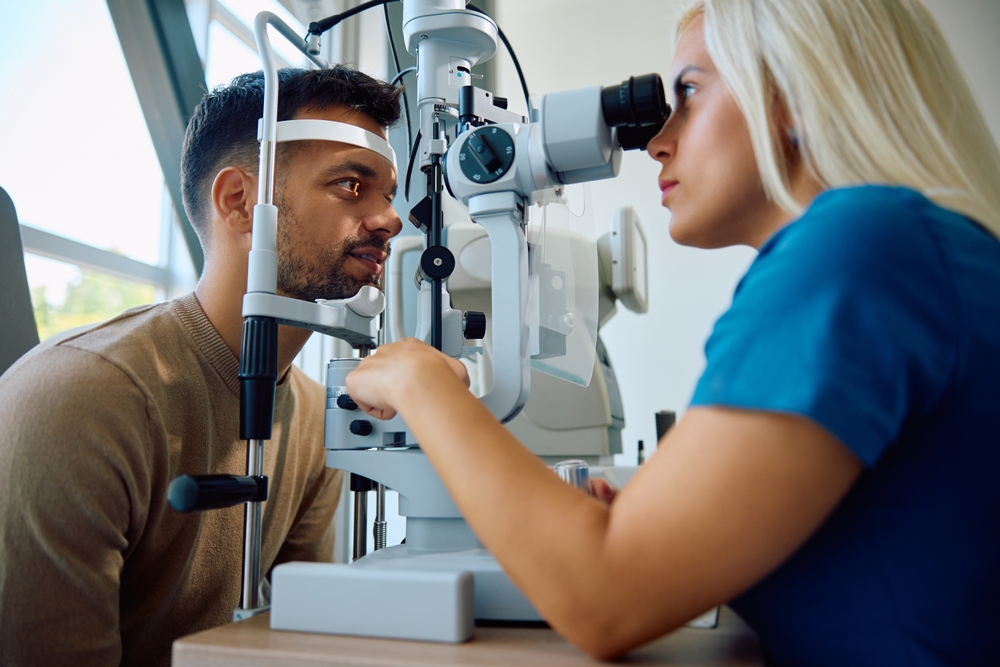
If you can see clearly without glasses or contacts, it’s easy to assume your eyes are healthy. Many people with 20/20 vision believe routine eye exams are unnecessary, especially if they aren’t experiencing noticeable problems. However, perfect vision does not always equal healthy eyes.
20/20 Vision Doesn’t Tell the Whole Story
20/20 vision simply means you can see clearly at a distance - it does not measure eye health. During a comprehensive eye exam, your optometrist evaluates much more than how well you read letters on a chart. Eye pressure, retinal health, optic nerve condition, and eye coordination are all assessed to detect potential problems long before symptoms appear. Many eye diseases develop gradually and painlessly, making routine exams the only reliable way to catch them early.
Eye Diseases Can Develop Without Symptoms
Some of the most serious eye conditions show little to no warning signs in their early stages. These include:
• Glaucoma, often called the “silent thief of sight,” which can cause irreversible vision loss before you notice changes
• Macular degeneration, which affects central vision and can worsen over time
• Diabetic eye disease, which may develop before vision is affected
• Retinal conditions, including tears or degeneration that may not cause immediate symptoms
Early detection through routine exams can significantly slow progression and preserve long-term vision.
Eye Exams Can Reveal More Than Vision Problems
Your eyes provide valuable insight into your overall health. During an eye exam, signs of systemic conditions may be detected, including:
• Diabetes
• High blood pressure
• High cholesterol
• Autoimmune disorders
In some cases, an eye exam is the first place these conditions are identified, allowing patients to seek medical care sooner.
Digital Eye Strain Can Go Unnoticed
Even with clear vision, daily screen use can strain your eyes. Symptoms such as eye fatigue, dryness, headaches, blurred vision, and difficulty focusing may be subtle or mistaken for stress or lack of sleep.
Annual eye exams help identify digital eye strain and allow your doctor to recommend solutions such as lens adjustments, blue-light filtering options, or changes to visual habits that reduce discomfort and prevent long-term strain.
Children and Adults Alike Benefit From Routine Exams
Vision changes can occur at any age. For children, undetected vision issues can affect learning, attention, and development. For adults, small changes in vision or eye health can impact work performance, safety, and quality of life.
Schedule Your Annual Eye Exam at 20/20 EyeVenue
Skipping your annual eye exam can allow serious conditions to go undetected until permanent damage has occurred. Regular comprehensive eye exams are one of the simplest and most effective ways to protect your vision and overall health for years to come.
Contact 20/20 EyeVenue to schedule your annual eye exam and take a proactive step toward lifelong eye health. Visit our office in Westminster or Strasburg, Colorado, or call (720) 740-0400 to book an appointment today.

Strasburg Location
- Monday (Open 2 Mondays per month, call for dates)8:00am - 4:00pm
- Tuesday 8:00am - 4:00pm
- Wednesday 8:00am - 6:00pm
- Thursday 8:00am - 4:00pm
- Friday 8:00am - 4:00pm
- Saturday/Sunday Closed
© 2026 20/20 EyeVenue. All Rights Reserved | Accessibility Statement | Privacy Policy | Terms & Conditions | Sitemap
Powered by
