


14676 Delaware St #400
Westminster, CO 80023

Starting the 2026 School Year Right: Is Your Child a Candidate for Myopia Management?
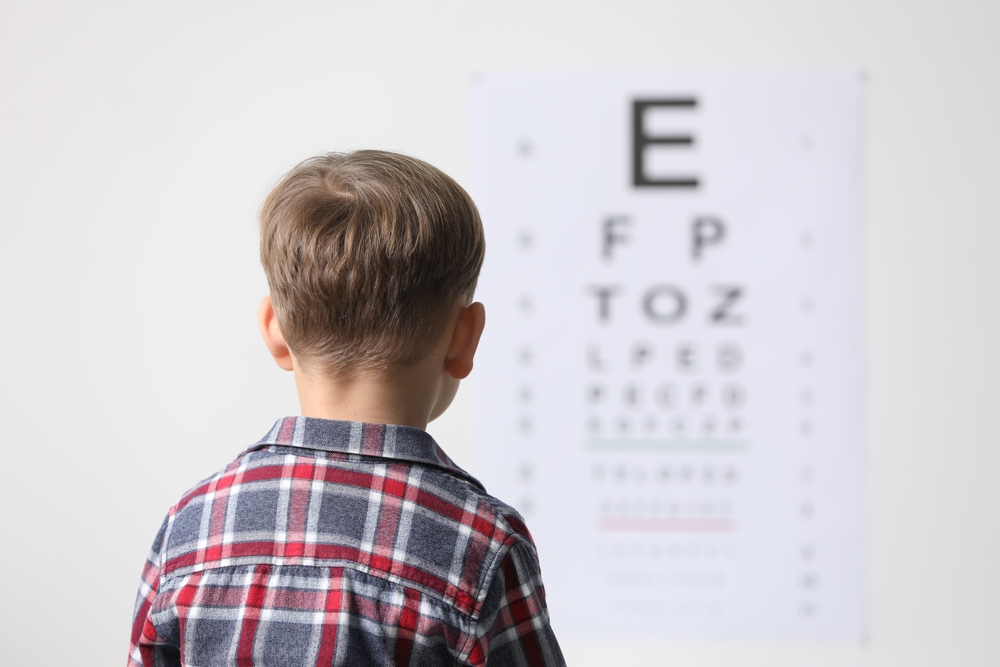
As the 2026 school year begins, clear distance vision is essential for seeing classroom boards, following presentations, participating in sports, and staying engaged throughout the day. Myopia, also called nearsightedness, causes distant objects to appear blurry and often begins during childhood.
Standard glasses or contact lenses correct blurry vision, but they do not address how quickly a child’s prescription is changing. Myopia management is designed to slow progression while providing the vision correction a child needs. Starting early can help reduce the likelihood of increasingly stronger prescriptions and support healthier vision over time.
Signs Your Child May Be a Candidate
A comprehensive pediatric eye exam is the best way to determine whether myopia management is appropriate. School vision screenings can identify some distance vision problems, but they do not provide the detailed measurements needed to evaluate progression or recommend a personalized plan.
Your child may benefit from a myopia management evaluation if you notice:
- Difficulty seeing the board, television, road signs, or distant objects
- Squinting, frequent eye rubbing, headaches, or complaints of blurry vision
- A glasses prescription that becomes stronger from year to year
- Myopia that began at a young age
- A family history of nearsightedness
- Long periods of close-up work or limited time spent outdoors
Even when a child is not reporting symptoms, regular eye exams are important. Children often adapt to blurry vision and may assume everyone sees the same way they do.
What Determines Myopia Management Candidacy?
Candidacy is not based on age alone. During an evaluation, we review your child’s current prescription, previous prescription changes, eye health, visual needs, daily activities, and ability to follow a treatment routine. Depending on the recommended option, we may also evaluate the cornea and discuss whether your child is ready to wear and care for contact lenses.
Children with early-onset or progressing myopia are often strong candidates because their eyes may continue changing throughout the school years. The right approach depends on the child, which is why treatment should be selected and monitored by an eye care professional.
Myopia Management Options for Students
Myopia management can include several approaches. Orthokeratology, or Ortho-K, uses customized overnight lenses that temporarily reshape the cornea so a child can see clearly during the day without glasses or daytime contacts. This can be especially convenient for active students.
MiSight and other specialized soft contact lenses use specific optical designs to correct vision while helping slow myopia progression. Low-dose atropine eye drops may also be recommended, particularly for children who are not ready for contact lenses. Multifocal glasses or contact lenses may be considered based on the child’s prescription, age, lifestyle, and eye health.
Prepare Their Vision for the Classroom
A back-to-school eye exam provides an opportunity to update eyewear, identify vision changes, and discuss whether myopia management should become part of your child’s care plan. Beginning the school year with clear, comfortable vision can help your child focus on learning instead of struggling to see.
Give your child a clearer start to the school year and schedule a myopia management evaluation with 20/20 EyeVenue in Westminster or Strasburg, Colorado, by calling (720) 740-0400.

Strasburg Location
- Monday (Open 2 Mondays per month, call for dates)8:00am - 4:00pm
- Tuesday 8:00am - 4:00pm
- Wednesday 8:00am - 6:00pm
- Thursday 8:00am - 4:00pm
- Friday 8:00am - 4:00pm
- Saturday/Sunday Closed
© 2026 20/20 EyeVenue. All Rights Reserved | Accessibility Statement | Privacy Policy | Terms & Conditions | Sitemap
Powered by
